5 Lessons On Using AI Well In Ministry And Leadership
Jun 29, 20263-4 years ago, AI was a novelty I poked at between real tasks. Now it sits in the middle of how I write and plan and work through problems.
That much time with any tool teaches you things the launch-day hype skips right past. None of it has much to do with prompt tricks or secret templates.
These are the five that stuck with me.
Lesson #1: AI Is Only As Clear As You Are
AI can't give you clarity you don't already have.
Sit down knowing exactly what you want to say, and the tool moves fast and clean. Sit down fuzzy, and it hands the fuzz right back to you in a confident voice, which is worse than getting nothing.
The work of getting clear is still mine. The prompt only carries whatever clarity I walk in with.
So before I open any AI tool now, I answer one plain question first. What am I trying to say here?
Lesson #2: Judgment Is The Skill That Matters Most
Everyone wants the perfect prompt. I spent real time chasing those too.
They help at the margins. They don't decide whether the work is any good.
AI will hand you ten versions of anything, and most of them are mediocre while all of them sound confident. Knowing which one holds up is editorial judgment, and that comes from years of paying attention to what actually lands with people.
The tool can generate all day. Knowing what's worth keeping is on you.
Becoming a real craftsman on your topic, the deep nerd who knows your field cold, is rare, and it matters more now than it ever has. You can't shortcut the 10,000 hours it takes to become someone who can judge the work. AI doesn't shorten that climb. If anything, it makes the people who've already made it more valuable.
Lesson #3: AI Sprints The First 80 Percent. The Finish Is On You.
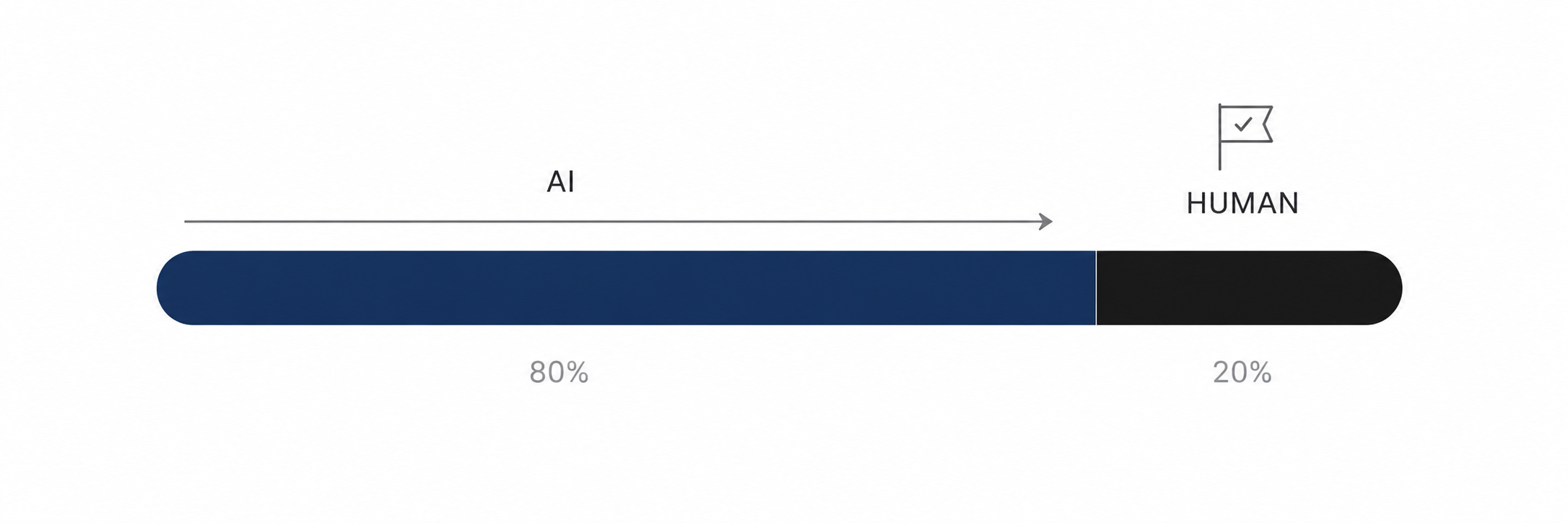
AI gets me to a rough draft faster than anything I've ever used.
Then it stalls at the end. The last stretch is where a piece earns trust, and that stretch is pure judgment about which lines sound like a human and what needs to go.
Readers feel that finish even when they can't name it. It's what makes a piece stick.
So I let AI sprint the first 80 percent and pour my energy into the part it can't touch.
Lesson #4: Make AI Argue With You
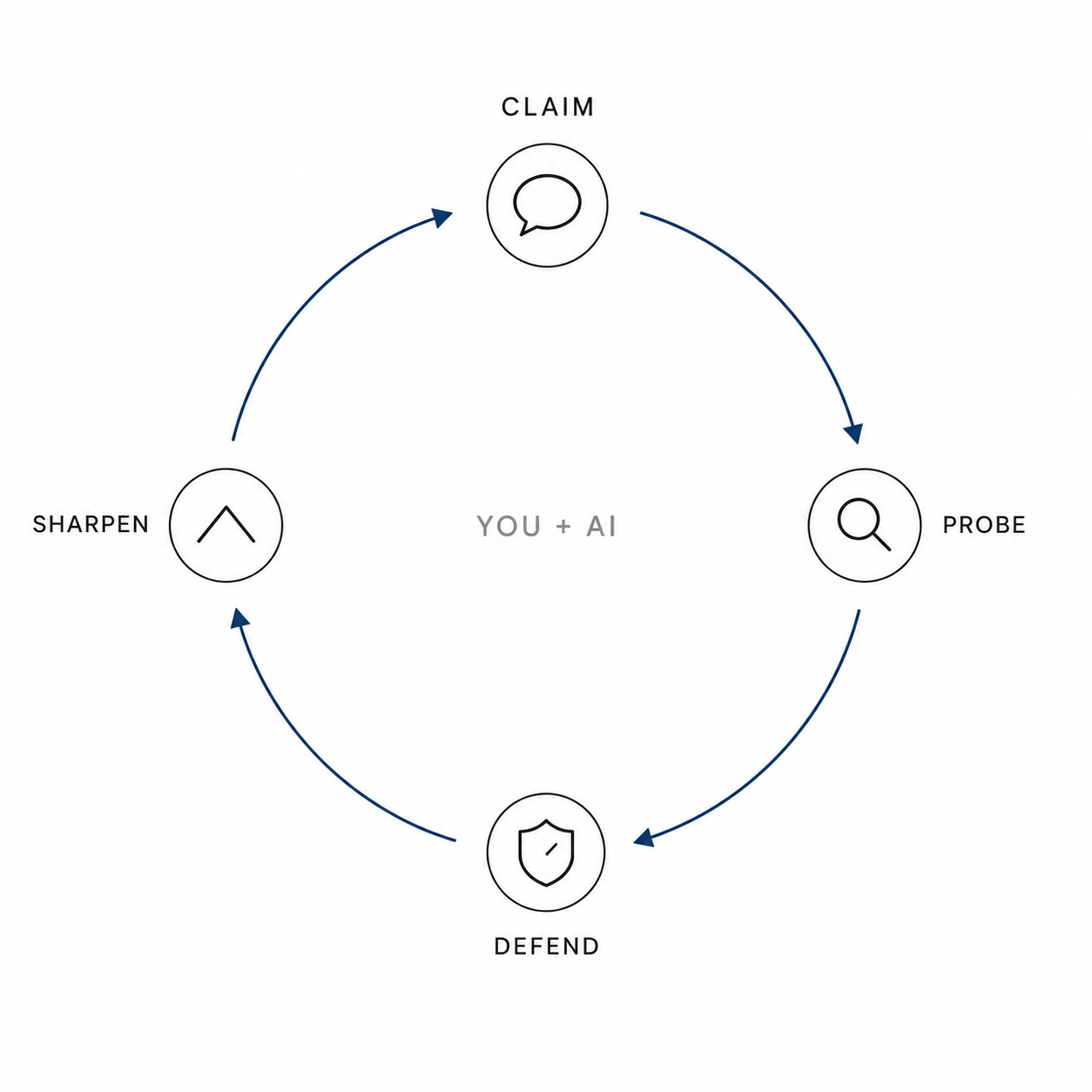
The biggest shift in three years was learning to treat AI like a thinking partner.
Early on I just gave it orders, asking it to write a thing or summarize a doc or spit out ten options. Useful, but shallow.
The real depth showed up once I started arguing with it. I make it poke holes in my logic and tell me what I'm missing. When I push back, I make it defend the answer.
The common knock on AI is that it just agrees with you and tells you what you want to hear. That's real, and it traces straight back to how you set the thing up. Give it standing expectations and a clear operating procedure for how it should challenge you, then put it to work as your board of advisors and your accountability partner.
Set up that way, the same tool everyone calls a yes-man turns into a sparring partner who never gets tired and never takes it personally. It's one of the most honest voices in my week now.
Lesson #5: The Real Risk Is Outsourcing Your Discernment
This is the lesson that took me longest to see, and I'm still wrestling with it.
The more I lean on AI, the easier it gets to quit doing the slow internal work myself, the thinking and wrestling that only happens when you sit with a hard problem long enough to work it through.
A tool that does your thinking for you will, given enough time, weaken your ability to think at all. That's true for your writing. It's even more true for the daily work of discernment.
I keep a hard line on it. AI helps me get the work done, and the growing is still on me.
What keeps that muscle alive is staying growth-minded on purpose. I keep reading books and listening to podcasts and learning straight from people who are real experts in their field. I push outside my own niche too, sitting in on what leaders in completely different industries are doing and pulling the transferable parts back into my own work.
The muscle gets sharpest when other people are in the room, soundboarding and masterminding and working a problem with someone who will tell me the truth. You can't let that go.
If you lead a church or a nonprofit, guard this one. Your people need a leader who can still tell the true thing from the loud thing.
Three years in, AI made me faster at almost everything I do.
The question I can't shake is whether it's making me any wiser, or just busier?
What's it doing to you?
Thoughts?